Bringing a 250-Year-Old Waterwheel Back to Life: How 32mm Macalloy stainless steel bars helped a Grade II listed Georgian mill begin it’s restoration, inside a private family home.
Products used : 32mm Stainless steel tenstion bars, nuts, bespoke plates and couplers.
Background
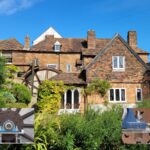
Every so often a project comes along that reminds us why we love this industry. The Old Watermill in Hythe, Kent, a privately owned home built around a genuine 18th-century water mill is one of those projects, and we were proud to play a small part in its story.
A Building With Serious History
A mill has stood on Mill Road in Hythe in some form since at least 1685, when an earlier building on the site, Damer’s Mill, appeared on a historic map of the town. The current structure dates from 1773, when it was rebuilt under the ownership of the Piety family, and remarkably it has changed hands only a handful of times in the 250-plus years since.
By the 1830s, the mill had grown into a substantial four-storey building housing three, later four, pairs of grindstones, all driven by a large waterwheel. In the mid-1800s it became known as Burch’s Mill, after miller George Burch, and it continued producing flour right up until the early 20th century.
Commercial water milling eventually became uneconomical, and after decades of decline the mill fell silent. Its restoration, beginning in the 1960s, was a remarkable feat of conservation: by 1992, the waterwheel was turning again after 60 years of silence. The project went on to receive Hythe Civic Awards in 1991 and 1992, along with a Shepway Building Design Award, in recognition of the quality of that restoration.
Today, the mill is a Grade II listed building a rare example of a Georgian industrial heritage sitting inside a family home.
A New Owner, A New Challenge
In the years since the Marstons’ restoration, the mill changed hands again, and the waterwheel eventually fell still once more. Its current owner, a retired civil engineer, bought the property with a clear ambition: to bring the main waterwheel, one of the largest of its kind in the UK, and its drive chain back into full working service. No one is better placed to explain what that involves than the owner himself:
“As a retired civil engineer, I bought Hythe Water Mill with one goal in mind: to bring the main waterwheel — one of the largest in the UK — and its drive chain back into working order.
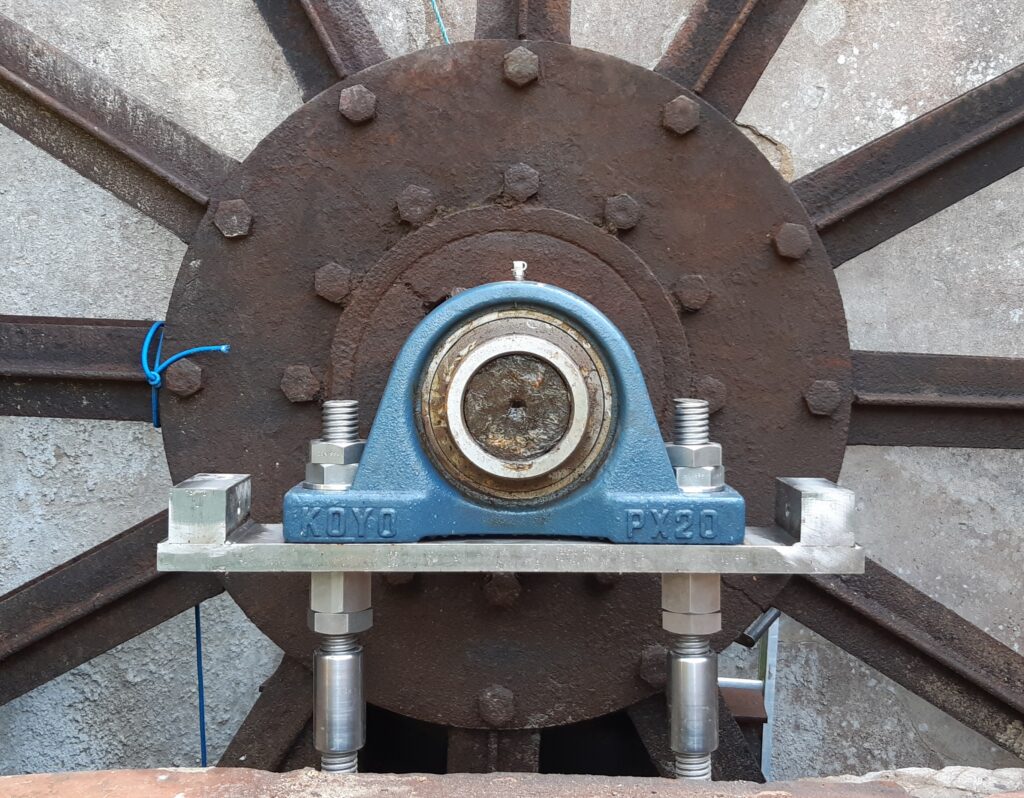
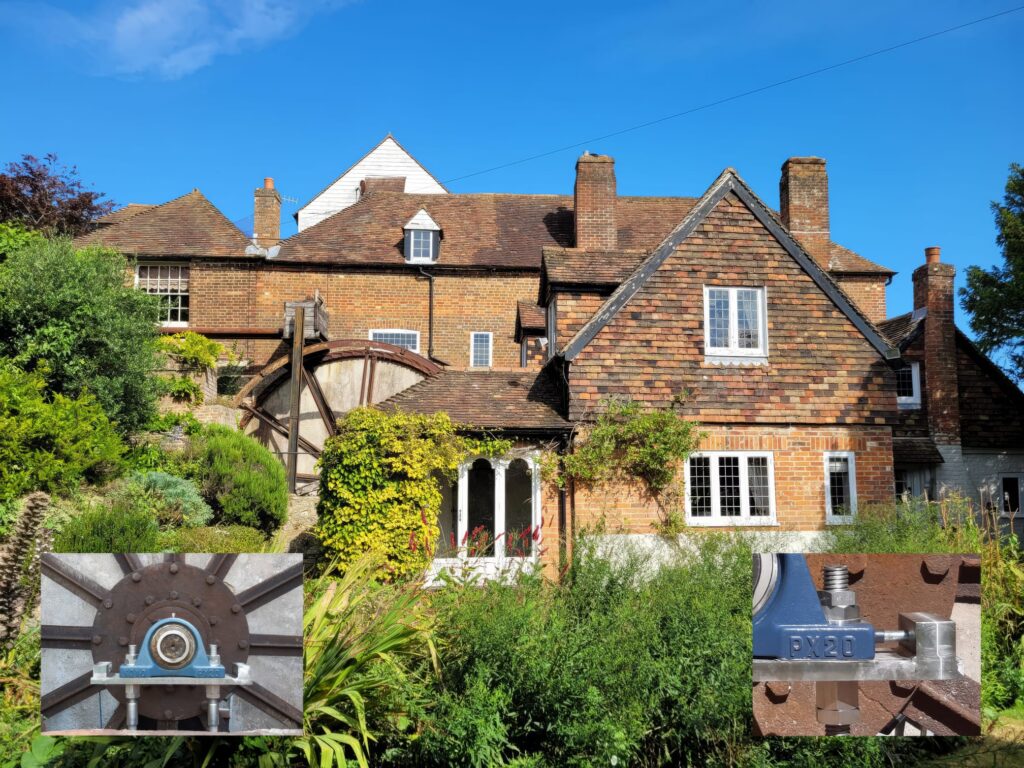
“Early on, I discovered that the foundation beneath one end of the main axle had settled. This had caused the main wheel, which weighs around eight tonnes, to tilt and lean against the main building’s structure. I understood why the foundation had settled, but I couldn’t be sure whether it might move further, so any new bearing needed to sit on a support system that was both adjustable and maintenance-free.
“I knew stainless steel was the right material for the job, but it wasn’t something I had the means to work with myself. So I turned to industry for help, and found Macalloy — a name that’s practically a household one in the world of civil and structural engineering.
“From my very first contact with Macalloy through to delivery, they were enthusiastic, helpful and professional, delivering exactly what was needed to satisfy the design requirements. Fundamentally, Macalloy were brilliant from start to finish.”
Macalloy’s Involvement
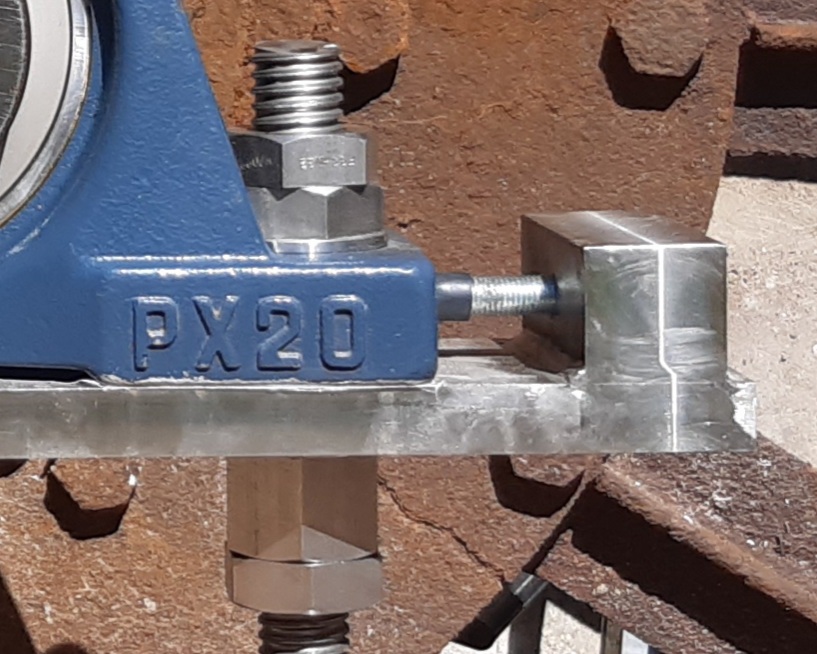
Supporting a structure like this to become fully operational takes more than sentiment — it takes serious engineering. Macalloy specified and installed 32mm stainless steel threaded bar, along with bespoke nuts, couplers and plates, engineered to form the adjustable, maintenance-free support the project demanded.
Stainless steel threaded bar was the right choice here for two reasons: it offers the tensile strength needed to carry the loads ,while its slim profile allows that support to be introduced without disrupting the historic fabric of a listed building. Getting that balance right — modern structural performance sitting quietly behind centuries-old brick and timber — is exactly the kind of challenge we relish.
The owner kindly sent through photographs of the restoration thus far.
Projects like this don’t come along often, and we’re proud to have played a part in keeping this piece of Kent’s industrial history alive for the next generation.
Year
2026
Location
Kent
Country
UK
Architect

Looking for a particular project? Try our….